A Homeowner’s Walkthrough for Figuring Out Why a Drain Is Clogged
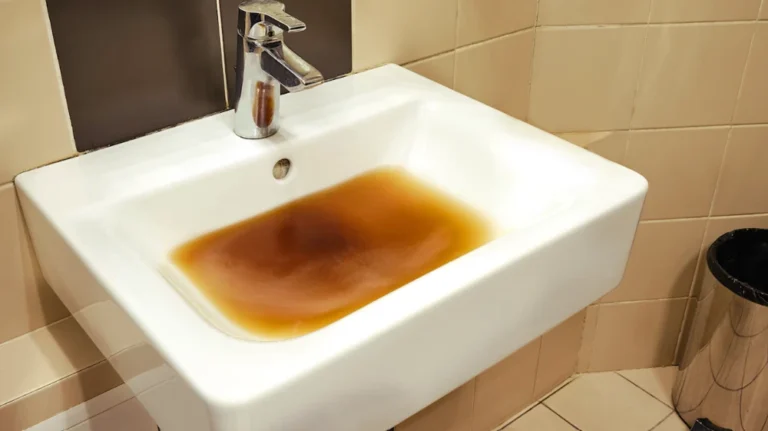
A clogged drain can involve hair, grease, food debris, a lodged object or a problem farther along the drainage system. Which fixtures are affected, when symptoms appear and whether the problem returns can help guide the next step.
You do not need to identify the exact cause before asking for help. A few useful observations can make it easier to explain the problem and avoid repeating a fix that only provides temporary relief.
Start with what you can see. This walkthrough explains which clues matter, what they may suggest and when to stop DIY.
First, Check Whether You Should Stop Using the Plumbing
If wastewater is backing up or overflowing, stop using the affected plumbing. Avoid running other fixtures to test the system, since they may feed the same blocked line.
Get professional guidance if:
- Several fixtures are backing up together.
- Using one fixture causes water to rise in another.
- Wastewater is coming through a shower, tub or floor drain.
- The blockage returns after previous cleaning.
- You notice leaking plumbing or wastewater escaping outside the fixtures.
Keep children and pets away from wastewater. Do not open a cleanout cap to investigate a suspected backup.
If you have already used chemical drain cleaner, do not add another product or plunge the treated drain. Tell the technician which product you used and when.
Is One Drain Affected or Several?
Think about what has already happened during normal use. Is only the bathroom sink slow, or have the toilet and shower also started behaving differently?
One affected fixture may suggest an obstruction near that drain. Several affected fixtures can point toward a shared drainage problem. Neither pattern confirms the exact location.
Useful details include:
- Which fixture first showed symptoms.
- Whether the affected fixtures are in the same bathroom.
- Whether another fixture gurgles during use.
- Whether water rises somewhere else when a fixture drains.
For example, a slow bathroom sink with no other symptoms is a different pattern from wastewater rising in the shower when the toilet flushes. The second pattern deserves assessment of the connected drainage system.
What to do next: Record the affected fixtures. If water is backing up, stop testing with additional water and seek help.
What Normally Goes Down This Drain?
What enters the drain provides context, although it does not prove what is blocking it.
Kitchen Sink
Grease, cooking oil and food debris can contribute to kitchen drain buildup. Note whether the problem appeared after cooking, washing dishes or something accidentally entering the drain.
Keep grease and food scraps out of the sink. A garbage disposal does not make every food item suitable for the drainage system.
Bathroom Sink, Tub or Shower
Hair and soap residue are common contributors. Some sink problems also involve buildup around the stopper or an object near the opening.
Look for visible debris without pushing it farther into the drain. A stopper that is not opening properly can also restrict drainage and should not automatically be mistaken for a deeper clog.
Toilet
Mention whether excess toilet paper, wipes or an object may have been flushed. Do not keep flushing a toilet when the bowl is rising.
A suspected lodged object may need a different approach from an ordinary paper blockage.
Laundry Drain
Note whether backup happens specifically when the washing machine releases water. That timing helps explain when the drainage problem occurs.
What to do next: Explain what may have entered the drain and when symptoms started. Avoid treating a suspected cause as confirmed.
Does the Clog Keep Coming Back?
A returning clog means the earlier improvement did not provide a lasting solution. It does not automatically mean the pipe needs replacement.
Possible explanations include remaining buildup, incomplete removal of an obstruction, continued debris entering the drain or an underlying pipe issue.
The timing matters:
- Did it return during the next use?
- Did drainage stay normal for several weeks?
- Is the same fixture affected each time?
- Did professional cleaning or a DIY attempt provide temporary improvement?
“The sink slowed again two days after cleaning” is more useful than “it always clogs.”
What to do next: Keep a record of previous work and how long the improvement lasted. Ask whether further assessment would help explain the recurrence before repeating the same treatment.
Did Anything Change Before the Problem Started?
A recent change can provide a useful lead. It does not establish the cause by itself.
Consider whether:
- An object or unusual material entered the drain.
- A fixture or appliance was installed or replaced.
- Renovation work affected nearby plumbing.
- Drain use increased because of guests or heavier cooking.
- Excavation or landscaping occurred near a buried line.
- Symptoms appeared during or after heavy rain.
For example, a sink that became slow immediately after plumbing work warrants a different conversation from one that gradually slowed over several months.
A tree near a sewer line does not prove root intrusion. Likewise, symptoms after landscaping do not establish that the work damaged the pipe.
What to do next: Note the dates and describe the change. Share the sequence without assuming it explains the blockage.
Is There Slow Drainage, an Odor or Both?
Drain odors and slow drainage can occur together or separately. Smell alone does not identify a clog or show how serious it is.
An infrequently used drain may have lost water from its trap. Residue around an opening can also cause odors. Persistent smells may require assessment of the trap, seals, venting or connected plumbing.
If an unused fixture drains normally and there is no backup, running a small amount of water may refill its trap. If drainage is restricted or wastewater is rising, avoid adding more water.
Notice:
- Whether the odor comes from one opening or a wider area.
- Whether it appears after another fixture is used.
- Whether drainage is also slow.
- Whether the fixture has been unused for a long time.
- Whether the smell returns after ordinary surface cleaning.
What to do next: Describe the odor and drainage symptoms separately. Do not use the absence of a smell as proof that a blockage is minor.
What Do You Know About the Pipes?
Pipe material, previous repairs and inspection findings can help guide an assessment. You do not need to know these details before booking help.
The age of the home does not necessarily match the age of its plumbing. An older property may have replacement sections, and a newer property can still have damaged joints, poor alignment or obstructions.
Different materials can develop different problems. However, knowing that a line is PVC, clay or cast iron does not establish why it is blocked.
Useful information may be available in:
- Previous plumbing invoices.
- Sewer inspection reports.
- Repair records.
- Camera recordings.
- Documents from an earlier property inspection.
What to do next: Share any records you already have. Avoid opening access points or dismantling plumbing simply to identify the material.
What Can You Try for One Slow Drain?
For one mildly slow fixture with no backup elsewhere, start with accessible surface checks.
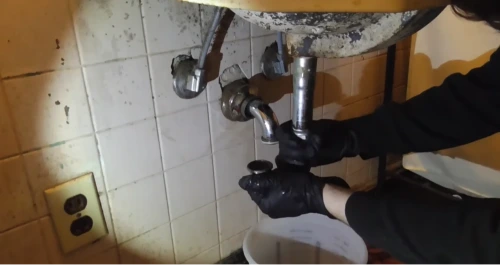
Remove visible hair or debris from the drain opening if you can do so without dismantling plumbing or pushing material deeper. Check whether a sink stopper opens fully.
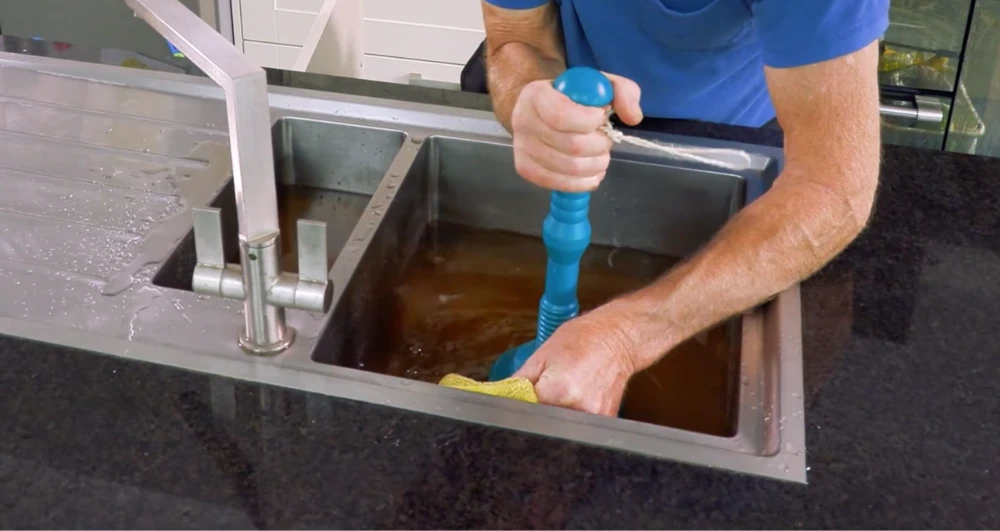
A suitable plunger may help some simple obstructions if no chemical cleaner has been used. Stop if water rises elsewhere, leaking appears or the attempt does not improve drainage.
Avoid repeatedly adding drain chemicals or forcing tools through resistance. If you suspect a lodged object, explain that before attempting to push it farther into the system.
A drain that improves briefly and then slows again needs a different discussion from a first blockage that clears and stays clear.
What Should You Tell the Technician?
You do not need to arrive with a diagnosis. A clear symptom description is enough to start a useful conversation.
Before calling, note:
- Which fixtures are affected.
- When the problem started.
- Whether water is slow, standing or backing up.
- Whether one fixture affects another.
- Any odor, gurgling or visible leakage.
- Previous cleaning and how long it helped.
- Any chemicals or tools already used.
- Recent plumbing work or relevant inspection findings.
For example:
That description gives clearer information than guessing that roots or grease must be responsible.
How a Professional Assessment Helps
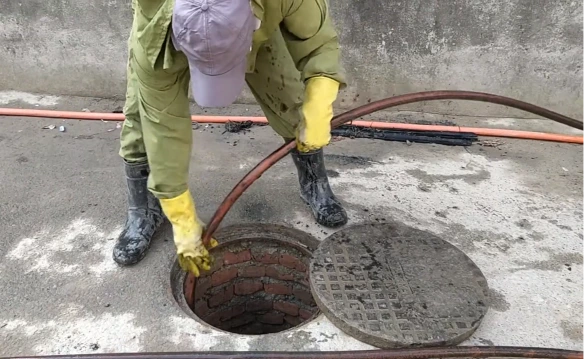
The technician can use your observations to decide which part of the drainage system needs attention. Inspection, cleaning or camera work may be considered depending on the symptoms, access and conditions.
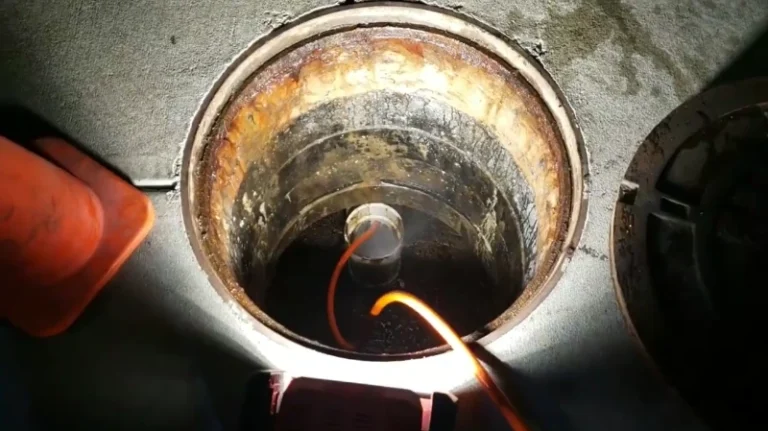
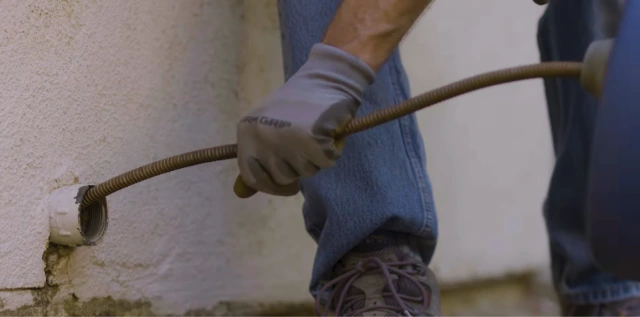
A camera can help show visible obstructions or pipe defects when the line is accessible and the view is clear enough. Heavy blockage may limit what can be seen initially.
Ask what the findings support, which cleaning method is recommended and how the result will be checked. Not every clog requires hydro jetting, and recurring symptoms alone do not prove that repair is necessary.
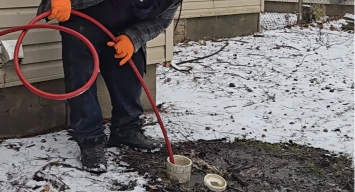
Learn about professional drain snaking and augering or hydro jetting in Summerville, SC for information about different cleaning methods.
Frequently Asked Questions
How Can I Tell Whether One Drain or a Shared Line Is Blocked?
One affected fixture may suggest a nearby obstruction, while several affected fixtures can point toward a shared drainage problem. Neither pattern confirms the location. Note any cross-fixture backup, such as water rising in the shower when the toilet flushes. Avoid adding water to test an active backup.
Why Does My Drain Keep Clogging After I Clear It?
Remaining buildup, incomplete cleaning, continued debris entering the drain or a pipe problem may explain the recurrence. Note how soon it returns and which fixtures are affected. If repeated attempts only provide temporary improvement, ask for an assessment rather than assuming another identical treatment will solve it.
Can a Drain Smell Bad Without Being Clogged?
Yes. A dry trap, residue near the opening or another plumbing issue can cause odor without a complete blockage. Note whether the fixture is rarely used and whether drainage is normal. A persistent or returning smell deserves assessment, especially if it appears alongside backup or leakage.
Should I Use Chemical Drain Cleaner Before Calling?
You do not need to use it before seeking help. If you have already added a product, avoid mixing chemicals or plunging the treated drain. Tell the technician the product name and when it was used so they can account for it when assessing and working on the drain.
Does a Recurring Clog Mean I Need Hydro Jetting?
No. The appropriate method depends on the obstruction, pipe condition and access. Some problems can be addressed with cable cleaning, while suitable deposits may benefit from jetting. A pipe defect may need a separate solution. Ask what the assessment found and why the proposed method fits.
When Should I Get Professional Help for a Clogged Drain?
Seek help when wastewater backs up, several fixtures are affected, one fixture causes water to rise in another or the blockage repeatedly returns. Stop adding water during an active backup. Also explain any chemicals already used and any suspected lodged object before further cleaning is attempted.
Still Unsure Why Your Drain Is Clogged?
If your sink keeps slowing down or several fixtures are backing up, explain what you are seeing before choosing another cleaning method. Mention the affected fixtures, previous cleaning and whether wastewater is currently backing up.
Call (854) 273-0300
Drain Cleaning Summerville
508 Miles Jamison Rd, Summerville, SC 29485
draincleaningsummerville@gmail.com