Signs Your Drain Is About to Clog
Slow draining, gurgling, odors, and brief backups can signal a developing clog. Learn what these warning signs may mean and when it is time to call.
A drain can seem to clog without warning, but many blockages build up gradually. You may first notice water taking longer to drain, a shower pooling around your feet, gurgling after you run water, or an odor that was not there before.
Paying attention to these early changes can help you address a drain problem before it turns into standing water in a sink, tub, or shower.
Early Warning Signs to Notice
These symptoms do not identify the exact cause by themselves, but they are useful details to report if the drain keeps getting worse.
It Takes Longer to Drain Than It Used To
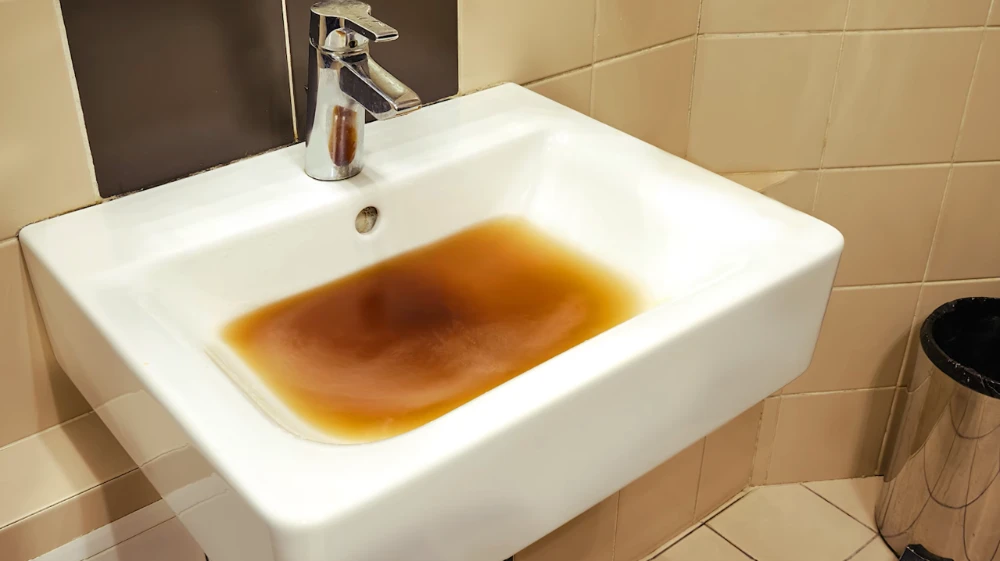
A slow drain is often the first sign of a developing clog. If a sink, tub, or shower that once drained normally now takes longer to empty, something may be reducing the space inside the pipe.
Because this change can happen gradually, it is easy to overlook. Notice whether water takes longer to go down after normal use or whether the drain improves briefly and then slows again.
A single slow fixture may have a nearby restriction. If more than one fixture is slow, the issue may be farther along the plumbing system. Read our slow drain guide for more detail.
Water Pools Around Your Feet in the Shower
When water begins collecting around your ankles before the shower is over, the drain is not keeping up with normal water flow. Hair, soap residue, and other buildup can collect near the drain opening or deeper in the bathroom drain line.
Removing visible hair from a stopper or drain cover may help with a minor restriction. However, a shower that stays slow or repeatedly backs up usually needs a closer look.
A Gurgling Sound After You Run Water
Gurgling can happen when a partial blockage affects how air moves through the drain system. If only one fixture gurgles, the issue may be close to that drain or involve the fixture’s venting.
If several fixtures gurgle, or a toilet bubbles when a sink, tub, or washing machine drains, the restriction may be farther down the line. A recurring gurgling sound is worth reporting because it can help show whether the problem is limited to one drain or affects shared plumbing.
A Smell That Was Not There Before
A new drain odor can appear before a pipe fully clogs. Food residue, grease, hair, soap buildup, and trapped moisture can all contribute to unpleasant smells near a drain opening.
Not every drain smell means there is a clog. A rarely used drain may have a dry trap, and residue near the opening can also cause an odor. If the smell remains after running water into the fixture or cleaning accessible buildup, the drain may need to be assessed.
For more detail, read our drain odors guide.
The Drain Backs Up Slightly, Then Clears on Its Own
Sometimes water rises briefly, sits for a moment, and then slowly drains away. This may happen when buildup narrows the pipe without fully blocking it.
Because the water eventually clears, it can be tempting to ignore. A repeat backup usually means the restriction is still present or has only shifted. If the same drain backs up again after a temporary clearing, it is better to address the pattern before it becomes a complete blockage.
Kitchen Drains: Grease and Food Waste Build Up Differently
Kitchen drains often collect different materials than bathroom drains. Grease, cooking oil, food scraps, coffee grounds, rice, pasta residue, and soap can all contribute to a kitchen drain restriction.
Warning Signs in a Kitchen Sink
- Water draining slowly after washing dishes
- A greasy, sour, or stale smell near the sink
- Food particles lingering instead of washing away
- Water rising when the dishwasher drains
- A drain that slows again after cooking or cleanup
Grease can catch other material as it collects inside a pipe. If the kitchen sink keeps slowing down, read our kitchen drain cleaning page.
When the Signs Point Beyond One Drain
One slow sink or shower may be limited to that fixture. When several drains react together, the restriction may be in shared drainage or farther down the main line.
Important Multi-Fixture Warning Signs
- A toilet bubbling when a sink, tub, or washing machine drains
- Water rising in a tub or shower when you flush
- The lowest drain backing up first, such as a shower, tub, or floor drain
- Multiple fixtures draining slowly at the same time
- Wastewater coming up through a tub, shower, or floor drain
- A sewer-like odor indoors or near the cleanout
- The same backup returning after a previous clearing
A Sewer Backup Needs Prompt Attention
If wastewater is coming into the home, stop using water that feeds the affected drains. Keep children and pets away from wastewater and call for help. Emergency drain and sewer backup help is available 24/7 at (854) 273-0300.
Read more about sewer and main line cleaning.
Why a Recurring Clog Can Look Different From Home to Home
Pipe material, pipe condition, fixture use, and available access can all affect how a drain problem develops. A home’s age or neighborhood alone cannot confirm what type of pipe is present or what is causing a recurring clog.
Older properties may have pipe sections that have been repaired or replaced over time. Newer plumbing can still develop restrictions from hair, soap, grease, food residue, or other material entering the drain.
A camera inspection may help when a clog keeps returning or the accessible pipe condition is unclear.
Possible Issues in Older Pipe Systems
- Scale and corrosion in cast iron
- Roots entering through an opening in a sewer line
- Cracks or shifted joints
- Low spots that can hold water and debris
Possible Issues in Newer Plumbing
- Hair and soap buildup in bathroom drains
- Grease and food residue in kitchen drains
- Restrictions at fixtures or branch lines
- Soil movement affecting underground pipe sections
If your home has older piping or the same clog keeps returning, it is better to have the affected line assessed before the problem becomes more disruptive.
What You Can Try for a Minor Clog in One Fixture
Simple First Steps
- Use a plunger
- Clean the stopper and visible debris near the drain opening
- Carefully use a small hand snake designed for the fixture
When to Call for Help
- The problem keeps returning after you clear it
- More than one fixture is affected
- A toilet bubbles or several drains gurgle
- You notice a sewer-like odor
- Wastewater backs up anywhere in the home
What to Avoid
- Do not rely on chemical drain cleaners for a recurring clog. They may not remove the underlying restriction and can create a safety concern when the line is opened or serviced later.
- Do not mix drain-cleaning products. Different products can react with each other.
- Do not keep flushing or running water to test a backup. This can add more water to the affected area.
- Do not pour grease or cooking oil into the kitchen sink. Let it cool in a suitable container and dispose of it properly.
- Do not use aggressive drain equipment on unknown or damaged pipe. A recurring problem may need assessment before stronger equipment is used.
For a fixture clog that returns, see our recurring drain clogs guide. For help with an active blockage, visit our clogged drain cleaning service.
Frequently Asked Questions
How long does it take for a slow drain to fully clog?
There is no fixed timeline. A clog may worsen over days, weeks, or months depending on what is restricting the pipe. Once a drain is noticeably slow, it is better to address it instead of waiting for a complete blockage.
Can a slow drain fix itself?
Sometimes water may appear to drain normally again if loose material shifts. That does not mean the problem is gone. If the drain slows again, backs up, or affects another fixture, the restriction may still be inside the pipe.
Is a gurgling drain serious?
It can be. One gurgling fixture may have a local drain or venting issue. Several gurgling fixtures, or a toilet bubbling when another drain is used, can point to a problem farther along shared drainage.
Is it safe to use chemical drain cleaner?
A plunger or a carefully used hand snake may help with a minor clog in one fixture. Chemical cleaners are not a dependable answer for recurring clogs, complete blockages, or multi-fixture backups. Tell the technician if you have already used one.
When should I call for a clogged drain?
Call if the clog returns, more than one fixture is affected, wastewater backs up, you smell sewage, or water rises in one fixture when another is used.
Do you offer emergency service for drain backups?
Yes. Emergency help for drain and sewer backups is available 24/7. Regular service hours are Monday through Saturday, 7 AM to 7 PM.
Need Help With a Slow or Clogged Drain?
Call to discuss a slow drain, recurring clog, or sewer backup. Tell us which fixtures are affected and whether wastewater is coming up anywhere in the property.
Regular service hours are Monday through Saturday, 7 AM to 7 PM, with 24/7 emergency help for drain and sewer backups.
508 Miles Jamison Rd, Summerville, SC 29485
draincleaningsummerville@gmail.com