What Actually Happens During a Hydro Jetting Appointment
If your drain keeps clogging after cleaning, you may wonder what hydro jetting would do differently. Will the technician inspect the pipe first? Could the cleaning damage it? And how will you know whether the blockage has actually cleared?
A hydro jetting appointment generally involves assessing the problem, finding suitable access, cleaning the agreed section with a specialized water jetter and checking the result. The process can change depending on the obstruction, pipe condition and available access.
Here is what to expect before, during and after the visit, including the questions worth asking before work begins.
Before the Appointment: What You Can Do
You do not need to open the cleanout or take apart any plumbing. Your most useful preparation is explaining the symptoms and clearing access to the work area.
Before the technician arrives:
- Note which fixtures drain slowly or back up.
- Explain how long the problem has been happening.
- Mention previous cleaning and how quickly the clog returned.
- Have any earlier inspection reports or recordings available.
- Tell the technician if chemical drain cleaner was used.
- Move belongings away from the affected fixtures and known access points.
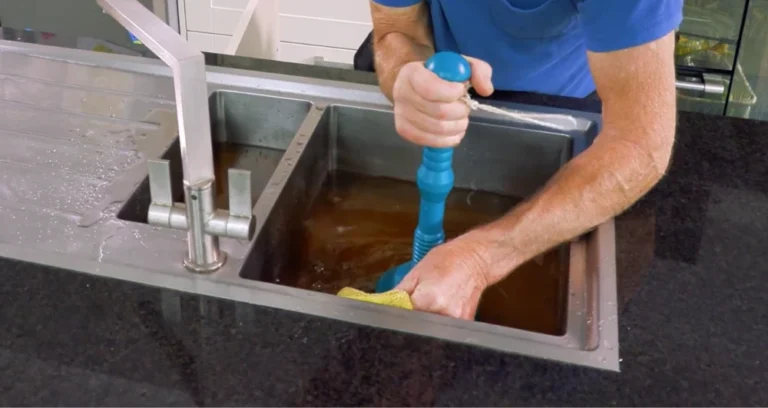
For example, “the kitchen sink backs up whenever the dishwasher drains” gives more useful information than “the plumbing is blocked.”
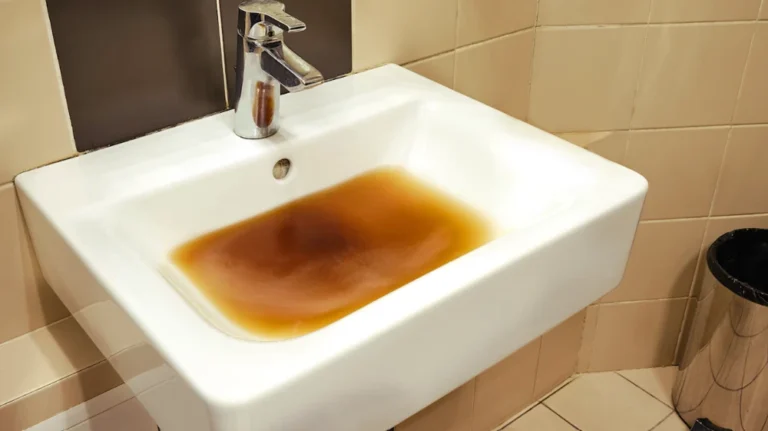
If wastewater is actively backing up: avoid adding more water to the affected system while waiting for guidance. Keep children and pets away from the wastewater and work area.
The Visit Starts With Assessing the Problem
Hydro jetting should follow an assessment of the drain problem. It should not be recommended simply because a drain is slow.
The technician may ask whether one fixture is affected or several, whether previous cleaning helped and what causes the backup to appear. These details help narrow down where to investigate.
A camera inspection may provide a view of buildup, obstructions or visible pipe defects when access and conditions allow. However, standing wastewater or a heavy blockage can limit the view. Some initial cleaning may be needed before the camera can show useful detail.
Before cleaning starts, you should understand:
- Why jetting is being recommended.
- Which section of the drainage system needs attention.
- Whether inspection is included.
- Whether any finding changes the proposed cleaning method.
An older pipe does not automatically establish whether jetting is appropriate. Its condition, material and the findings from the assessment matter.
Finding a Suitable Entry Point
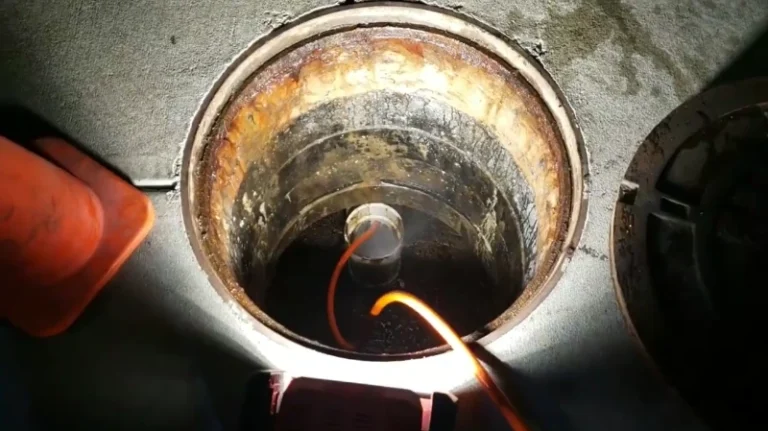
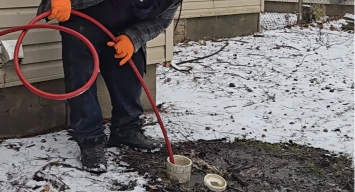
A cleanout is one possible entry point for the jetter hose. It is a capped opening that provides access to the drainage system.
The technician checks whether the opening leads to the section that needs cleaning and whether the equipment can work through that access. Bends, pipe size and layout can affect how far the hose can travel.
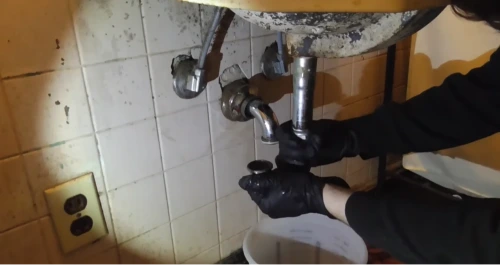
If suitable access is unavailable, the next step is discussing practical alternatives. Removing a fixture or using another opening is not appropriate for every job.
Ask whether additional access work is needed and whether it changes the quote. This is a useful point to clarify before equipment is set up.
What Happens During the Jetting Process?
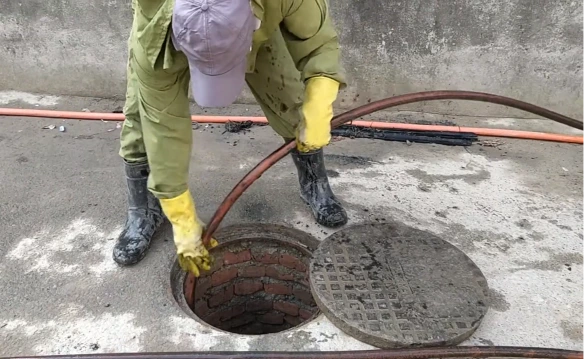
The technician introduces a specialized hose and nozzle into the line. Water jets help loosen suitable deposits and move debris as the hose is worked through the accessible section.
The nozzle and operating settings should suit the pipe and obstruction. Maximum pressure alone does not tell you whether the equipment is appropriate for your drain.
Hydro jetting can help clean suitable grease, soap and sludge deposits. Some obstructions need different attachments, another cleaning method or further assessment.
You may hear the equipment running, but homeowners should stay outside the work area. Ask the technician whether fixtures can be used while cleaning is underway.
Jetting cleans the line. It does not repair cracks, restore a collapsed section or correct a pipe that has shifted out of position.
What the Technician Checks as Cleaning Progresses
During cleaning, the technician monitors how the equipment operates and whether the work can continue through the intended section.
Difficulty advancing the hose does not, by itself, prove there is pipe damage. A bend, obstruction or access limitation may also affect progress. Further assessment may be needed to understand what is happening.
If the technician encounters a problem that changes the plan, you should receive an explanation before additional work begins. Ask what was found, what remains uncertain and how the proposed next step will help.
The aim is to clean the agreed section safely and assess the outcome, rather than force the equipment through an unexplained obstruction.
How Long Will the Appointment Take?
The appointment includes more than the time spent running the jetter. Assessment, access, setup, cleaning, final checks and cleanup all contribute to the visit.
The time required depends on factors such as:
- How easily the line can be accessed.
- The length and layout of the section being cleaned.
- The type and extent of the obstruction.
- Whether camera inspection is included.
- Whether unexpected findings require a change of plan.
Ask for an estimated appointment window based on your situation. A fixed promise for every residential drain would overlook these differences.
Also ask whether you need to remain available throughout the visit to discuss findings or approve a change in scope.
After Cleaning: How the Results Are Checked
Once cleaning is complete, the technician may run water through relevant fixtures to check drainage and watch for continued backup.
A follow-up camera inspection, when practical and included, can help show remaining deposits or visible defects in the inspected section. Ask which part of the line was checked and whether you can see the findings.
These checks answer different questions. A flow test shows how the drain behaves under the test conditions. A camera can provide visual information about accessible parts of the pipe.
Neither check guarantees that the entire system is free of damage or that a blockage will never return. What matters is understanding the result and any remaining limitation.
Cleanup and the Explanation Before Departure
Access points should be secured before the technician leaves. Any plumbing removed for access should be reassembled and checked, and waste or debris generated during the job should be cleaned up.
Before the appointment ends, ask for a clear explanation of:
- What section was cleaned.
- What was found during the work.
- How drainage was checked afterward.
- Whether any concern remains.
- What follow-up is recommended and why.
If repair is recommended, ask what evidence supports it. A visible defect and a suspected problem are different findings, and the explanation should make that distinction clear.
Keep any report, images or recording provided. They can be useful if symptoms return or further work is needed.
How Hydro Jetting Differs From Drain Snaking
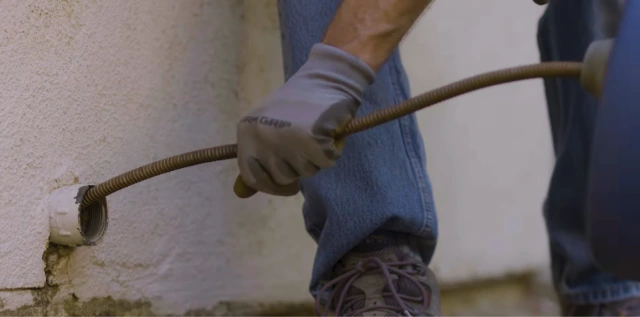
Drain snaking uses a cable machine with an attachment selected for the job. Different attachments can address different obstructions, so cable cleaning should not be described as simply poking a hole through a clog.
Hydro jetting uses water jets to clean suitable deposits from accessible pipe surfaces. It may be considered when the assessment indicates that this type of cleaning is appropriate.
Neither method is the best choice for every drain. The obstruction, pipe condition and access should guide the recommendation.
For service information, visit our hydro jetting in Summerville, SC page or read about drain snaking and augering.
Frequently Asked Questions
Does Every Hydro Jetting Appointment Include a Camera Inspection?
No. Camera inspection may be included, offered separately or limited by access and blockage conditions. Ask whether your quote covers inspection before cleaning, afterward or both. If wastewater or debris blocks the view, the technician may need to clear some of the obstruction before inspecting the pipe.
Can Hydro Jetting Damage Older Pipes?
It can be unsuitable for weakened or damaged pipes, so condition matters more than age alone. Ask how the technician will assess suitability and select the equipment and settings. If a defect is suspected or visible, discuss whether further inspection or repair should come before jetting.
Can I Use My Sinks and Toilets During the Appointment?
Check with the technician before using them. The answer depends on which line is being cleaned and how the equipment is set up. If wastewater is already backing up, adding water may worsen the overflow. Ask which fixtures to avoid and when normal use can resume.
Is Hydro Jetting Included in a Standard Drain Cleaning Quote?
Do not assume it is. Confirm the cleaning method, the section covered and whether camera inspection, access work and final checks are included. If the recommendation changes after assessment, ask for the revised scope and price before agreeing to additional work.
Will Hydro Jetting Stop My Drain From Clogging Again?
It may help when suitable buildup is causing the blockage, but it cannot guarantee permanent results. A damaged pipe, another obstruction or continued grease disposal can lead to further problems. Ask what the assessment found and what practical steps or repairs may reduce the chance of recurrence.
What Should I Do if the Drain Backs Up After the Visit?
Contact the provider and explain when the backup returned, which fixtures are affected and whether the symptoms match the original problem. Avoid adding water if wastewater is overflowing. Refer to your service report and ask about the follow-up policy, including whether another assessment is needed.
Drain Keeps Clogging in Summerville?
If your sink repeatedly stops draining or several fixtures back up together, explain the symptoms before choosing another cleaning service. Mention previous cleaning, any inspection findings and whether wastewater is currently backing up.
Call (854) 273-0300
Drain Cleaning Summerville
508 Miles Jamison Rd, Summerville, SC 29485